
Health Insights
Gut Symptoms During Perimenopause: What May Be Contributing?
Digestive symptoms can become more noticeable during perimenopause, but hormonal changes are only one possible contributor. Persistent or concerning symptoms deserve assessment.
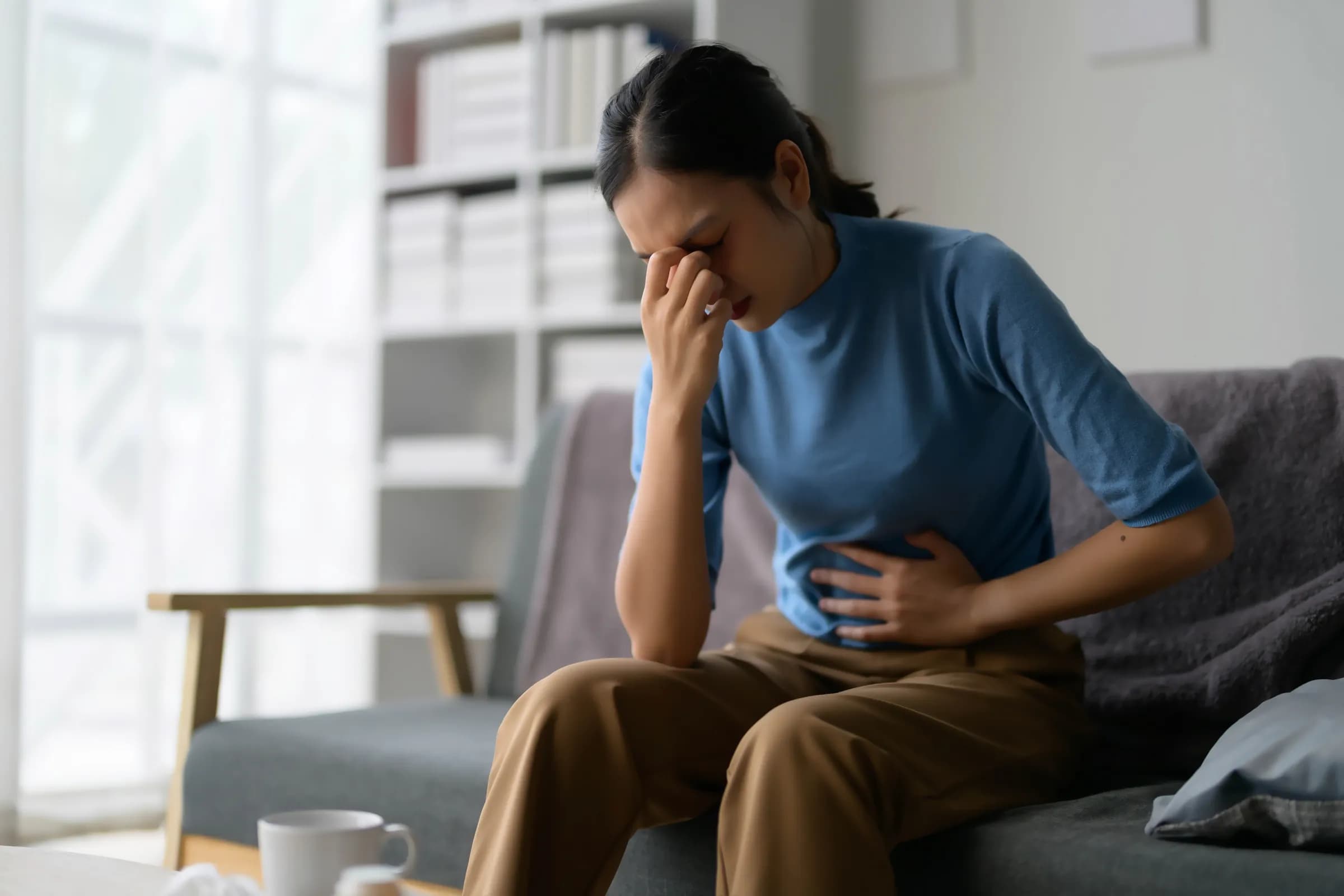
Bloating, constipation, abdominal discomfort and changes in bowel habits can become more noticeable during midlife. Some women first notice these symptoms around the menopause transition and wonder whether changing hormones are responsible.
Perimenopause may be one part of the picture, but digestive symptoms have many possible causes. Diet, stress, sleep, medicines, physical activity and conditions such as constipation, irritable bowel syndrome, coeliac disease or food intolerance may also contribute.
What are researchers learning about hormones and the gut?
The gut microbiome is the community of microorganisms living in the digestive tract. It has roles in digestion, immune function and metabolism. Researchers are studying how the microbiome and oestrogen metabolism may interact across different life stages.
Some studies have found differences in gut-microbiome composition before and after menopause. However, most human evidence remains observational. It does not yet prove that falling oestrogen directly causes digestive symptoms, that a particular microbiome pattern is responsible, or that changing the microbiome will correct a hormonal imbalance.
For this reason, symptoms should be considered in the context of the whole person rather than attributed automatically to hormones or “dysbiosis.”
Common symptoms worth discussing
You may wish to seek advice about:
- 01
persistent or recurring bloating;
- 02
constipation or diarrhoea;
- 03
abdominal pain or discomfort;
- 04
excessive wind;
- 05
heartburn or reflux;
- 06
a sustained change in bowel habits; or
- 07
symptoms that interfere with eating, sleep, exercise or daily life.
Keeping brief notes about when symptoms occur, bowel patterns, medicines and foods that appear to aggravate symptoms can be helpful. You do not need to begin a restrictive diet before seeking advice.
Practical foundations
Depending on your symptoms and health history, general measures may include:
- 01
eating a varied diet with suitable sources of fibre;
- 02
drinking enough fluid;
- 03
moving regularly;
- 04
maintaining consistent sleep routines where possible;
- 05
eating slowly and noticing foods or drinks that repeatedly aggravate symptoms; and
- 06
discussing significant dietary changes with a GP or accredited practising dietitian.
Increasing fibre rapidly can worsen bloating or discomfort for some people. Advice should be individualised, particularly when symptoms are persistent or a medical condition is suspected.
Probiotic products vary by strain, dose and intended use. A general “women’s hormone” probiotic cannot be assumed to treat perimenopausal digestive symptoms. Speak with a clinician before using supplements if you have an underlying health condition, take medicines or have concerns about side effects.
When to seek medical advice
Make an appointment if symptoms persist, recur frequently or affect your quality of life.
Seek prompt medical advice if bloating or bowel changes occur with:
- 01
blood in the stool;
- 02
unintentional weight loss;
- 03
loss of appetite or feeling full unusually quickly;
- 04
persistent vomiting;
- 05
fever;
- 06
severe or ongoing abdominal pain; or
- 07
a sustained, unexplained change in bowel habits.
These symptoms are not necessarily caused by a serious condition, but they should not be assumed to be part of perimenopause without assessment.
Discussing gut symptoms at Mahila
At a Mahila consultation, your clinician can consider digestive symptoms alongside menstrual changes, sleep, mood, medicines, nutrition, medical history and other aspects of your health. Depending on the situation, further investigation or referral to another clinician may be appropriate.
Discussing gut symptoms at Mahila
At a Mahila consultation, your clinician can consider digestive symptoms alongside menstrual changes, sleep, mood, medicines, nutrition, medical history and other aspects of your health.